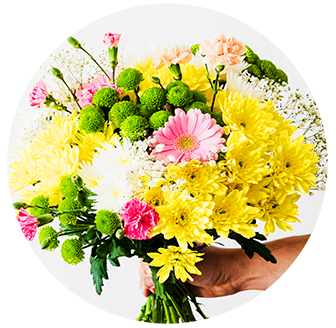
How to Maintain the Freshness of Cut Flowers
Posted on 18/08/2025
How to Maintain the Freshness of Cut Flowers: Expert Tips for Longer-Lasting Blooms
Cut flowers bring color, beauty, and fragrance into our homes, brightening up any space instantly. However, many people struggle to keep their floral arrangements looking vibrant for more than a few days. If you've ever wondered how to keep cut flowers fresh for longer, you're in the right place. This comprehensive guide shares effective methods, science-based tricks, and expert advice for preserving the freshness of cut flowers--whether you're caring for roses, tulips, lilies, or wildflowers.
Why Do Cut Flowers Wilt So Quickly?
To understand how to maintain the freshness of cut flowers, it helps to know why they wilt. Once flowers are snipped from the plant, they lose their supply of water and nutrients. Blocked stems, bacteria growth, and improper care can all accelerate the breakdown process. Without intervention, even the most beautiful bouquet will quickly fade. But with a few tweaks, you can dramatically increase the lifespan of your blooms.

Choosing the Right Flowers for Long-Lasting Arrangements
Selecting the right type of bloom is your first defense against early wilting. Some flowers simply last longer after being cut. Consider these options for particularly resilient stems:
- Chrysanthemums
- Alstroemeria (Peruvian Lily)
- Carnations
- Orchids
- Sunflowers
- Dahlias
- Lilies
- Roses (with proper care)
While more delicate blooms like peonies and tulips may be short-lived, these heartier varieties can remain fresh for 7-14 days with proper care.
Essential Supplies for Keeping Cut Flowers Fresh
Before diving into the methods for prolonging the life of your cut flowers, make sure you have these essential tools:
- Sharp, clean floral scissors or shears
- Clean vases or containers
- Fresh, room-temperature water
- Flower food or homemade preservative
- Sanitizing solution, like diluted bleach
- Optional: floral tape or mesh for arranging stems
Step-by-Step Guide to Maintain the Freshness of Cut Flowers
1. Start with a Clean Vase
Bacteria is the biggest enemy of cut flowers. Cleanliness is key. Before arranging your flowers, thoroughly wash your vase with hot soapy water or a diluted bleach solution (one part bleach to ten parts water). Rinse thoroughly to remove all residue. This step reduces bacterial growth, which can clog stem vessels and cause rapid wilting.
2. Trim Stems Correctly
It's best to cut stems at a 45-degree angle using sharp scissors or a knife instead of crushing them with dull blades. This increases the surface area for water absorption and prevents the stem from sitting flush against the bottom of the vase, which can block water uptake.
- _Trim stems under running water or while submerged_: This prevents air from entering the stem, which could block water absorption (known as "air embolism").
- _Remove 1-2 inches from the bottom_: Repeat every 2-3 days to expose fresh tissue.
3. Remove Lower Leaves
Leaves immersed in water rot quickly and breed bacteria. Remove any foliage that will sit below the waterline in your vase. This simple step can extend bloom life by several days.
4. Use Fresh, Room-Temperature Water
Water quality matters. Start with clean, room-temperature water for most varieties. Some exceptions:
- Tulips and bulb flowers prefer cooler water.
- Tropical flowers benefit from slightly warmer water.
Change the water every 2 days to keep it fresh and reduce bacteria. Each water change is an opportunity to rinse the vase and recut the stems.
5. Apply Flower Food or Vase Preservative
Most store-bought bouquets come with a packet of flower food -- don't skip it! Floral preservatives contain sugars (energy), acidifiers (to balance pH), and biocides (to inhibit bacteria and fungi).
If you don't have commercial flower food, you can make your own with common kitchen ingredients:
- 2 tablespoons lemon juice
- 1 tablespoon sugar
- 1/2 teaspoon bleach
- Mix into 1 quart (about 1 liter) of water
This homemade solution nourishes your flowers and helps prevent bacterial growth, keeping cut flowers fresh longer.
6. Avoid Direct Sunlight and Heat
Location is crucial for maximizing cut flower freshness. Place your arrangement in a cool, shaded spot away from:
- Direct sunlight
- Heat vents or radiators
- Drafts from windows and doors
- Fruits (the ethylene gas emitted by ripening fruit can cause flowers to age rapidly)
Cooler temperatures slow down wilting and extend the life of your flowers.
Advanced Techniques to Prolong the Beauty of Cut Flowers
Hydration Hacks for Extra Longevity
Thirsty flowers lose their perkiness fast. Here's how to keep them hydrated:
- Mist the petals lightly with water daily for humidity-loving flowers.
- Soak woody stems overnight before arranging (roses, lilacs, hydrangea). This restores lost moisture.
- Submerge wilted heads in cool water for 30 minutes to perk them up.
Quick Fixes for Drooping Flowers
Sometimes, despite your efforts, flowers start to droop. Before tossing them, try these tricks:
- Crisp flowers like roses: Recuts stems and place in hot water (not boiling!) for 1-2 minutes, then return to cool water.
- Hydrangeas: Submerge the whole head and stem in water for an hour.
- Wilted tulips: Wrap stems tightly in newspaper, stand upright in cold water to stiffen.
Dealing with Special Flower Types
- Lilies: Carefully remove pollen-laden anthers to prevent staining and extend bloom life.
- Daffodils: Cut stems, then let sit in their own vase of water for 2-4 hours to remove toxins before mixing with other flowers.
- Sunflowers: These drink lots of water! Check and refill the vase daily.
Consider Flower Conditioning
Professional florists use a process called "conditioning" to prepare flowers for arrangements. This involves letting freshly cut flowers rest in a cool, dark place in deep water for several hours before arranging. Conditioning helps stabilize temperature, boost water absorption, and results in longer-lasting cut flowers.
Flower Freshness Myths: What Really Works?
- Pennies in the vase: Copper is a mild fungicide, but most modern pennies don't contain enough copper to make a difference.
- Aspirin or soda: While these can lower water pH or add sugar, too much can harm your flowers. Use proven flower food instead.
- Vodka or spirits: Alcohol can inhibit ethylene production, slowing aging, but it's best left to professional florists due to dosing challenges.
- Refrigerating flowers overnight: This actually works for many varieties! If possible, tuck your bouquet in the fridge (not freezer) overnight to extend lifespan.
How Long Do Cut Flowers Last? Realistic Expectations
With the right care, here's how long some common cut flowers should stay fresh in a vase:
- Roses: 7-10 days
- Lilies: 8-14 days
- Carnations: 14-21 days
- Gerbera daisies: 5-7 days
- Tulips: 5-7 days
- Hydrangeas: 5-9 days
- Chrysanthemums: up to 30 days!
Of course, factors like the initial freshness, room temperature, and specific care can cause variation.

Eco-Friendly Tips and Reuse Ideas for Old Bouquets
Even with best practices, cut flowers eventually fade. Here's how to make the most of them:
- Dry flowers for keepsakes: Hang upside down in a cool, dry place for dried arrangements.
- Press blooms: Use heavy books to create pressed flower art.
- Compost petals and stems: Enrich your garden soil naturally.
- Make potpourri: Combine dried petals with essential oils for natural fragrance.
Frequently Asked Questions About Keeping Flowers Fresh
How Do You Keep a Bouquet Fresh Overnight?
To maintain cut flower freshness overnight, place your arrangement in the fridge if it fits. Otherwise, move to the coolest, darkest spot in your home and ensure stems are submerged in water.
Is Sugar Good for Cut Flowers?
A small amount of sugar can nourish flowers, but it also feeds bacteria. For best results, always combine sugar with an acid (such as lemon juice or vinegar) and a biocide (such as bleach) or use commercial flower food.
How Often Should You Change the Water?
Change vase water every 2 days. Each time, rinse the vase and recut stems for maximum freshness.
Why Do My Flowers Die So Fast After Cutting?
Common reasons include unwashed vases, failing to recut stems, submerging leaves, stagnant water, and exposure to heat or direct sunlight. Following the steps in this guide can significantly extend the freshness of your cut flowers.
Final Thoughts: Enjoy Longer-Lasting Cut Flowers
There's no magic trick to make cut flowers last forever, but by following these expert-recommended methods, you can enjoy your beautiful bouquets for as long as possible. Remember to clean your vase, trim stems regularly, provide adequate water and flower food, and keep arrangements away from sun and heat. With a little attention, you'll bring out the best in every bloom.
For more gardening and floral care tips, browse our blog or subscribe to our newsletter. Bring the delight of fresh flowers into your home--and keep them looking amazing!
Latest Posts
Creating the Perfect Environment for Orchids
Top 12 Timeless Flowers to Transform Your Garden
Bet You Didn't Know These Sunflower Facts